
 English


Krabi Province
Krabi Province
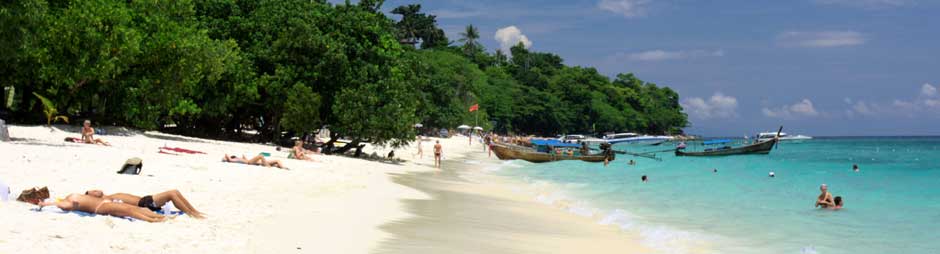
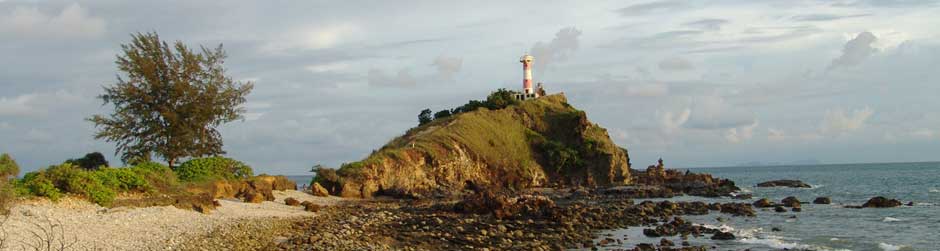
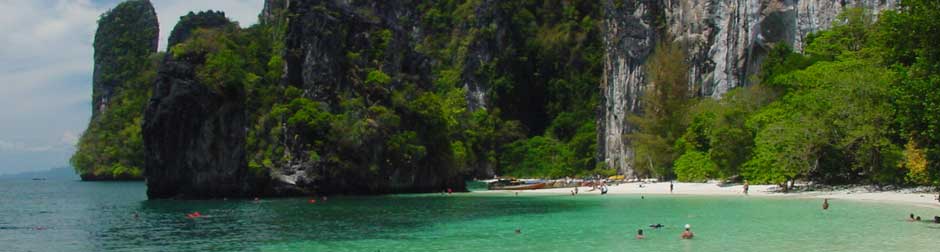
Krabi is situated on the south of Thailand. West of Krabi is the Andaman Sea. Krabi is abundant of sea- natural attractions. Find more Krabi geography. Koh Phi Phi seems to be more known than Krabi. Many international movies were made at Koh Phi Phi e.g. the Beach.
To arrive at Krabi is very easy nowadays. You may fly, take a bus or train but stop at Suratthani, or even ferry boat from Phuket. Find how to get to Krabi.
What are interesting places for a tourist like me?
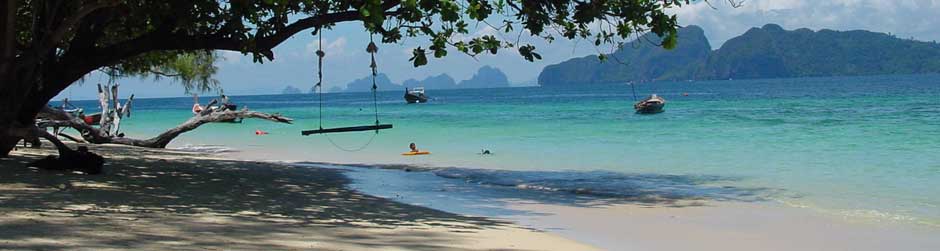
In addition to Koh Phi Phi, Ao Nang, Koh Lanta and Railay are well-known among European tourists. Recently, Tupkaek beach is gaining more popularity for tourists who would like to avoid the crowd from Ao Nang. Find more Krabi Attractions.
What are we going to do in Krabi?
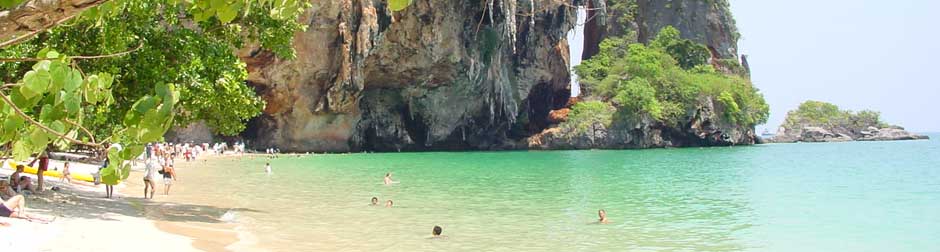
Krabi is a popular place for sea kayaking at Tha Lane, Khao Nor Ju Jee, Koh Hong , Pranang Cave, Koh Phak Bia, etc. Rock climbing must be at Railay. Scuba diving and snorkeling at Koh Phi Phi or Koh Ngai or Koh Rok (near Koh Lanta). Find more activities in Krabi.
How about nightlife in Krabi?
Only food market, so called Talad Torung in Krabi Town, around Chao Fah road. You may find a local food with very cheap price from half hundred food shops. Unlike Aonang, you may find international food restaurants till the mid night. Phi Phi is a never sleeping spot, mostly found are beer bars. On the other islands e.g. Koh Ngai, Koh Mook, Koh Jum, Koh Libing, you won’t find any nightlife.
Where will I sleep?
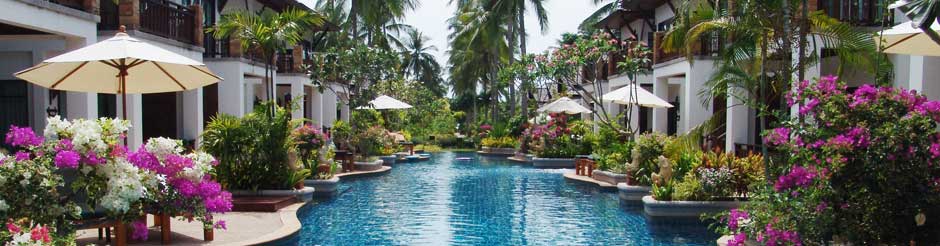
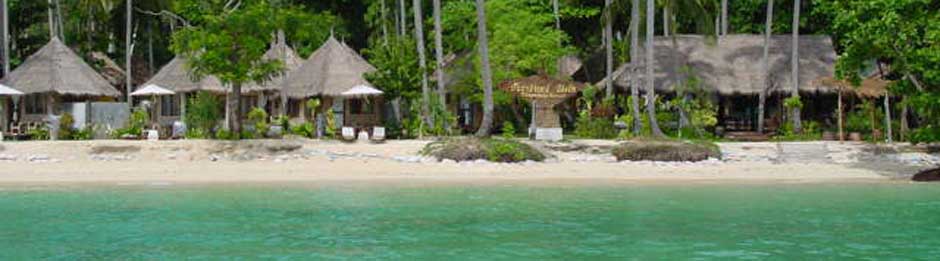
There are many budget guesthouses to luxury hotels in all Krabi province. For anyone who would travel to the islands you have to book a room for at least 1 to 6 months in advance. Some destinations have only limited numbers of rooms and resorts e.g. Railay, Koh Mook and Koh Ngai. You may need to sleep on the beach unless you book in advance, especially during the high season: November to March every year. In Krabi town, you may find accommodation easilier if you walk around Chaofah Road. At Aonang, there are many newly open resorts and bungalows in sub-roads. You may hire songtaew (passenger pick-up car) or Tuk-Tuk and the driver will bring you around for accommodations such as :
Railay: Sand Sea Resort
Phi Phi: Phi Phi Natural Resort
Koh Lanta: Southern Lanta Resort
Koh Mook: Koh Mook Charlie Beach Resort
Ao Nang: Peace Laguna Resort